Jun 10, 2026·6Min read
Recognizing Quality: How to Tell Real Artisan Ice Cream from Industrial Products
 Lisa
LisaA deep dive into the world of ice cream manufactories: learn how to distinguish high-quality artisan ice cream from industrial mass products through sensory evaluation and ingredient checks.
When temperatures rise, the craving for a cool refreshment grows. But not all ice cream is created equal. While industry focuses on efficiency and long shelf life, a true artisan ice cream manufactory focuses on craftsmanship and unadulterated flavor. According to Statista data, per-capita ice cream consumption in Germany remains stable at around eight liters per year. But if you value quality, you should look closely. In this guide you'll learn how to identify real artisan ice cream, how to recognize top-quality ingredients, and why a glance into the display case often reveals everything you need to know about quality.
Appearance as the First Quality Indicator
The first look into the ice cream counter often provides the decisive clue. Industrially produced ice cream is frequently whipped with enormous amounts of air, allowing it to be piled into high, stable mountains in the display. Real homemade ice cream, as you'll find in Hannover or other cities at specialized manufactories, has a noticeably higher density. It usually sits flatter in the containers because it contains fewer artificial stabilizers that could support those unnatural towers. Colors also play a central role in evaluation.
Natural Colors vs. Artificial Appearance
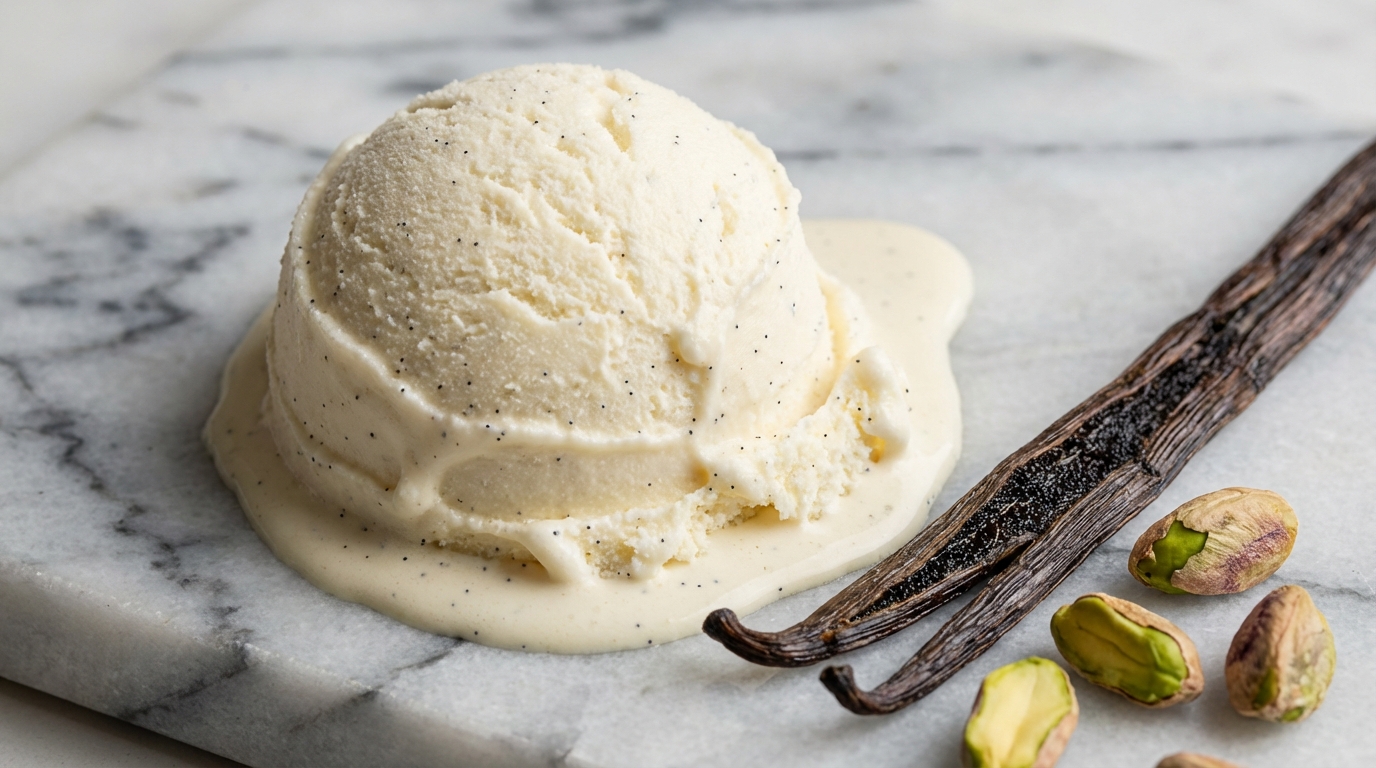
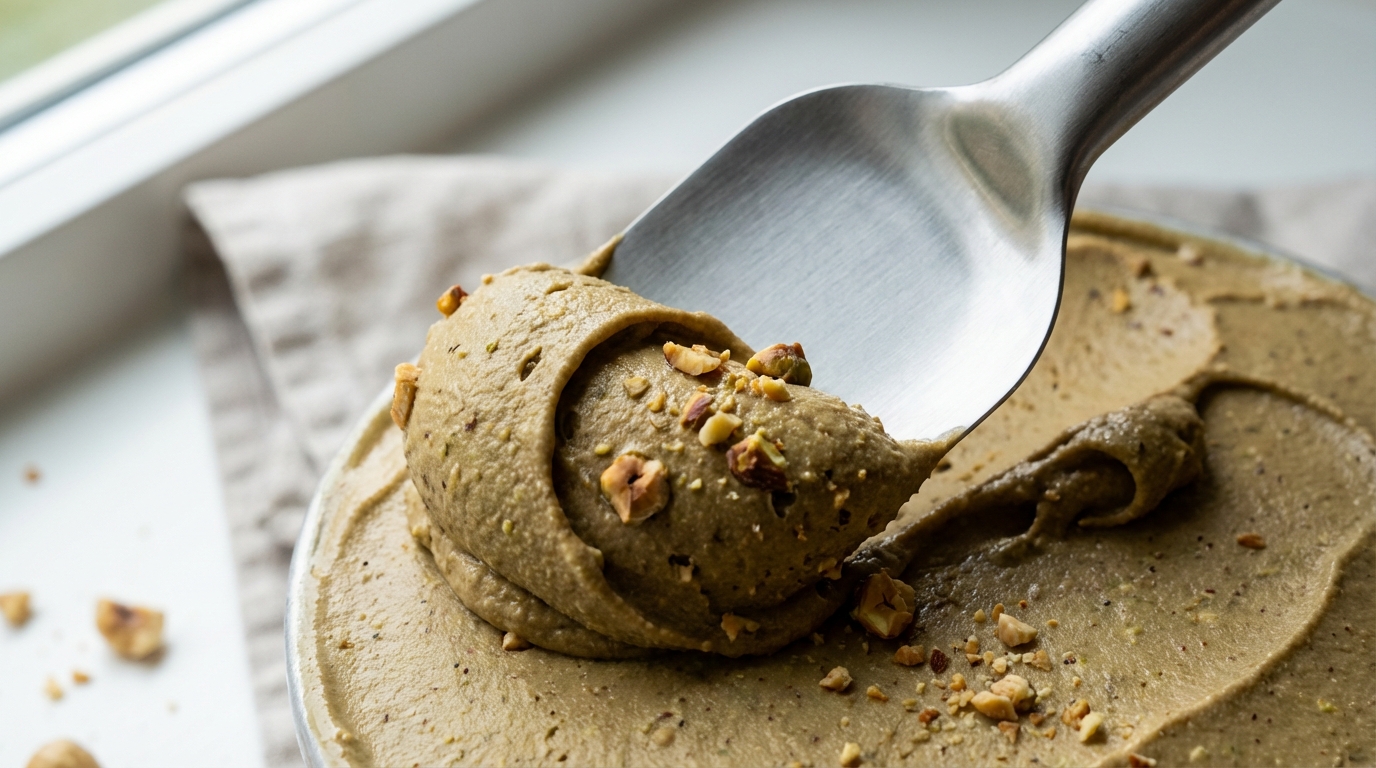
High-quality pistachio ice cream is never neon green, but rather brownish to subtly olive green. The same applies to vanilla: an overly intense yellow often indicates colorants, while small black specks suggest real vanilla pods. If you're looking for Italian gelato in Hannover, pay attention to these subtle nuances. Natural ingredients are expensive and fade faster in the light, which is why professionals often store their ice cream in closed containers — the so-called "pozzetti" — to preserve freshness.
According to the German Food Code guidelines, milk ice cream must contain at least 70% milk. Industrial products often use cheap vegetable fat and water instead.
Ingredients: What Really Belongs in the Cup
A look at the ingredient list (which must be available at every ice cream shop) reveals the truth. High-quality ice cream is based on fresh cream, milk, sugar, and natural flavors. Industrial providers, on the other hand, often use hydrogenated fats, emulsifiers, and artificial flavors to save costs. Especially with special dietary needs, the wheat separates from the chaff. If you're specifically looking for vegan ice cream in Hannover, check whether the base consists of high-quality nut pastes or pure fruit rather than purely chemical substitutes.
Quality can be measured by three factors: the absence of vegetable fats (except in vegan flavors), low air incorporation, and the use of natural colorants from real fruit or nuts.
Table: Artisan vs. Industrial in Comparison
| Feature | Artisan manufactory | Industrial product |
|---|---|---|
| Air content | Low (approx. 20–30%) | High (up to 100%) |
| Fat source | Fresh cream / milk | Vegetable fats (coconut/palm) |
| Flavor | Intense, natural | Often artificial, very sweet |
| Shelf life | A few days (fresh) | Many months |
Myth vs. Fact
❌ Myth: Ice cream that takes extremely long to melt in your mouth is especially high quality.
✔ Fact: Slow melting is often forced by artificial binders and emulsifiers. Real ice cream melts naturally and evenly.
Variety and Special Dietary Needs
Modern ice cream manufactories have long recognized that customers want more than just chocolate and vanilla. Unusual ice cream flavors in Hannover today range from basil-lemon to salted caramel. Artisan production is decisive for the flavor experience. Supply of lactose-free ice cream in Hannover has also improved. While industry often simply adds lactase, artisan businesses increasingly rely on high-quality sorbets with a fruit content of over 25%, which are naturally lactose-free and vegan.
Even with classics like spaghetti ice cream in Hannover, there are quality differences. A true pastry chef presses the vanilla ice cream fresh through the spätzle press, uses homemade strawberry sauce from fresh fruit, and avoids cheap chocolate substitutes. If you appreciate this craftsmanship, you'll gladly accept the typical summer season opening hours, which usually run from March to October and often extend late into the evening for moments of indulgence.
Pros and Cons at a Glance
✅ Advantages of artisan ice cream:
- More intense flavor through less air
- No inferior vegetable fats
- Fresh production without long storage times
- Better digestibility through natural ingredients
❌ Disadvantages:
- Shorter shelf life (must be consumed fresh)
- Often a slightly higher price per scoop
The Production Process in Detail
- 1
Selection and preparation of raw materials (peeling fruit, roasting nuts)
- 2
Pasteurization of the ice cream base for germ reduction and binding of ingredients
- 3
Ripening process (approx. 6–12 hours) so flavors can fully develop
- 4
Freezing in the ice cream machine with constant stirring for creamy texture
💬 Expert assessment: "Real ice cream is an honest product. If the ingredient list is longer than five lines or contains terms you can barely pronounce, you should become skeptical." – Lisa, specialist editor
Who Is Artisan Ice Cream Suitable For?
Suitable for:
- Gourmets seeking genuine fruit flavor
- Allergy sufferers (through clear labeling and natural base)
- People who want to support regional craftsmanship
Not suitable for:
- Price-focused buyers for whom quantity matters more than content
- Those expecting several months of shelf life in the home freezer
Do the melt test: let a scoop of ice cream sit briefly. High-quality ice cream melts into a creamy liquid, while inferior products often remain as foamy, solid mass.
Conclusion: Quality You Can Taste
Recognizing real artisan ice cream requires only a little attention to detail. Look for natural colors, avoid inflated "ice mountains" in the display, and ask specifically about how the base is made. The best value for money often comes from the small manufactory around the corner, where you pay for real ingredients and not for whipped-in air. Use the summer season to sample the variety of sorbets and milk ice cream flavors and discover the difference that passion and craftsmanship can make.
FAQ
Are there ice cream manufactories that still make their ice cream entirely themselves?
Yes, they still exist. You can often recognize them by the fact that they don't use ready-made industrial mixes (convenience products) but pasteurize their base from milk, cream, and egg yolk themselves. They often proudly share information about their regional suppliers.
Where is real Italian gelato still sold according to original recipes?
Real gelato is characterized by a lower serving temperature and lower fat content than American ice cream. You'll find it mainly at owner-operated gelaterias that rely on traditional machines and recipes, often recognizable by flat spatula service rather than classic scoops.
Are there special options for lactose-free ice cream?
In artisan businesses, almost all fruit sorbets are naturally lactose-free. In addition, many manufactories now offer milk ice alternatives based on oat or almond milk that are specifically labeled.
Where do you get the best value for money?
The best ratio is where the ice cream is heavy. Since industrial products often consist of 50% air, you effectively get more "substance" for your money at an artisan manufactory, even if the scoop seems more expensive at first glance.
How do I recognize high-quality ingredients in ice cream?
High-quality ingredients are recognizable by subtle, natural color, the absence of artificial aftertaste, and a clean ingredient list without hydrogenated fats. For fruit ice cream, a high fruit content (over 20–25%) is a guarantee of quality.
Disclaimer: The information provided in this article serves general education about food quality. It does not constitute medical advice. People with severe allergies should always inquire on site about cross-contamination.
👤 About the Author
Lisa puts artisan ice cream and industrial products into context in this guide: she explains how to recognize appearance, ingredient lists, and melt at the counter — without jargon, but with an eye on food sensory science. The criteria apply everywhere; in Hannover especially where manufactories openly discuss origin and ripening times. Her texts follow fixed editorial guidelines and her own on-site checks, so you can compare deliberately on your next visit.
Sources
- Statista: Per-capita ice cream consumption in Germany (2023 data)
- German Food Code guidelines for ice cream
- Interview with a pastry chef on artisan ice cream production (expert pool)